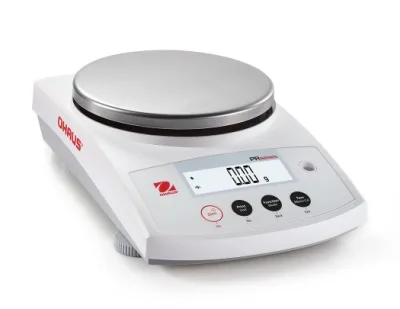
Precision Balance PR4201 PR Series Precision
item number: 39752
Weighing range: 4200 g | Readability: 0.1 g InCal™ – Semi-automatic | |
List price € 995,00

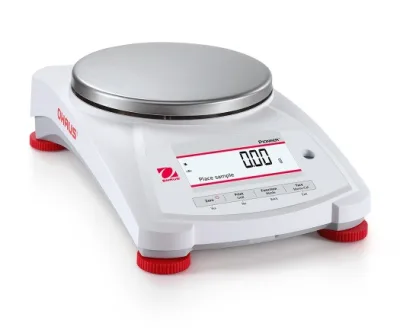
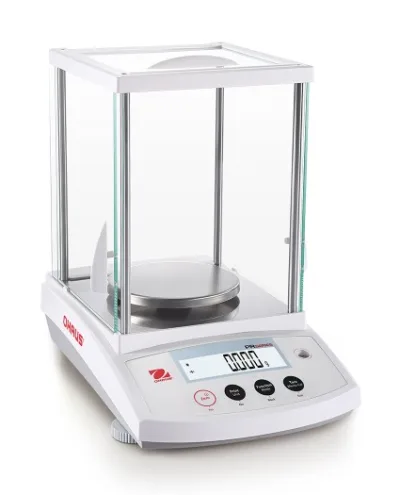
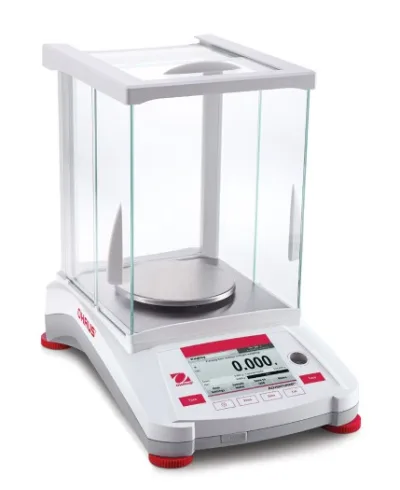
Precision balances enable exact weight measurements in chemical, pharmaceutical, and biotechnological laboratories. The portfolio covers capacities from 220 g up to 35,000 g to precisely record both small sample quantities and larger containers. These balances support professionals in dosing, formulation, and material testing.
item number: 39752
List price € 995,00
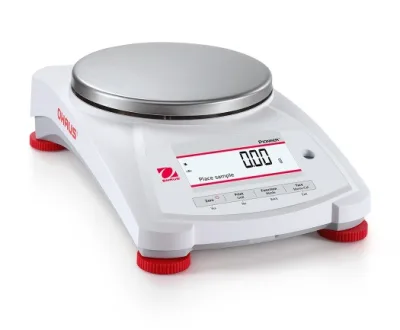
item number: 39781
List price € 1.320,00
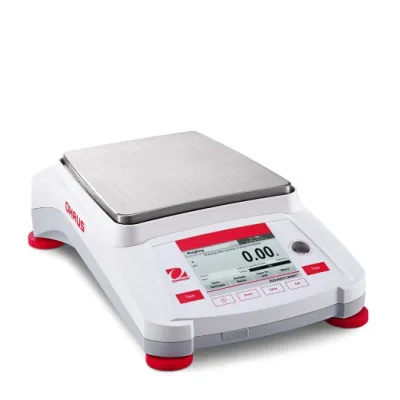
item number: 39779
List price € 1.330,00
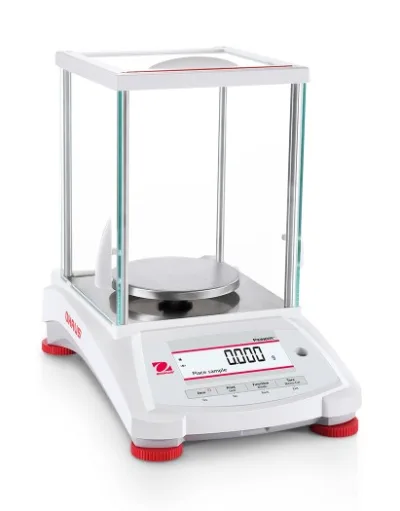
item number: 39777
List price € 1.270,00
item number: 39774
List price € 1.265,00
item number: 39772
List price € 1.140,00
item number: 39771
List price € 1.160,00
item number: 39769
List price € 1.140,00
item number: 39766
List price € 1.100,00
item number: 39764
List price € 1.085,00
item number: 39761
List price € 1.080,00
item number: 39760
List price € 1.080,00
item number: 39759
List price € 1.100,00
item number: 39803
List price € 1.580,00
item number: 39754
List price € 1.030,00
item number: 39787
List price € 1.440,00
item number: 39750
List price € 930,00
item number: 39748
List price € 900,00
item number: 39746
List price € 890,00
item number: 39743
List price € 880,00
item number: 39742
List price € 880,00
item number: 39740
List price € 850,00
item number: 39738
List price € 825,00
item number: 39736
List price € 795,00
item number: 39813
List price € 1.765,00
item number: 39811
List price € 1.740,00
item number: 39809
List price € 1.740,00
item number: 39807
List price € 1.695,00
item number: 39804
List price € 1.675,00
item number: 39756
List price € 1.060,00
item number: 39831
List price € 2.185,00
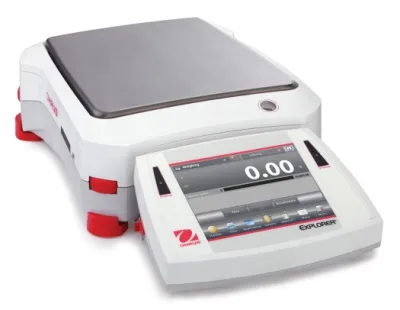
item number: 39858
List price € 6.030,00
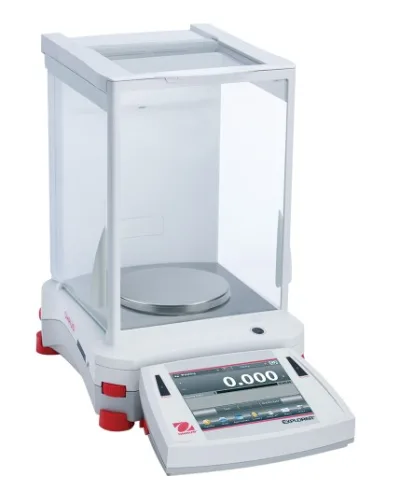
item number: 39856
List price € 5.010,00
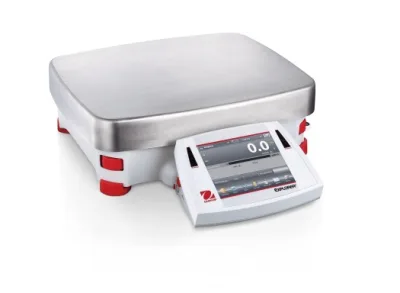
item number: 39854
List price € 5.595,00
item number: 39853
List price € 4.810,00
item number: 39850
List price € 4.100,00
item number: 39849
List price € 4.380,00
item number: 39848
List price € 42.400,00
item number: 39844
List price € 3.575,00
item number: 39843
List price € 3.690,00
item number: 39842
List price € 3.650,00
item number: 39841
List price € 2.780,00
item number: 39839
List price € 2.780,00
item number: 39837
List price € 2.465,00
item number: 39783
List price € 1.375,00
item number: 39819
List price € 1.955,00
item number: 39859
List price € 5.875,00
item number: 39789
List price € 1.515,00
item number: 39791
List price € 1.525,00
item number: 39792
List price € 6.570,00
item number: 39798
List price € 1.555,00
item number: 39835
List price € 2.440,00
item number: 39817
List price € 1.945,00
item number: 39833
List price € 2.360,00
item number: 39821
List price € 2.050,00
item number: 39823
List price € 2.050,00
item number: 39825
List price € 2.090,00
item number: 39827
List price € 2.140,00
item number: 39829
List price € 2.175,00
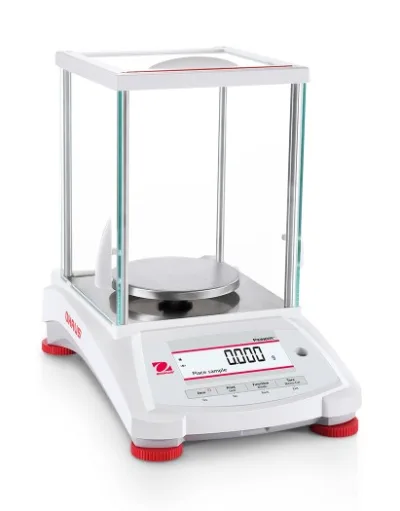
item number: 39785
List price € 1.420,00
item number: 39815
List price € 1.765,00
Selecting the appropriate precision balance primarily depends on the required weighing range and the necessary readability. This category offers devices with a readability of 0.001 g, 0.01 g, or 0.1 g. While compact models are designed for fine weighing, high-capacity models such as the Explorer Plus offer capacities of up to 35,000 g for heavy samples.
Regular adjustment is crucial for the accuracy of measurement results. Many models in the Pioneer, Adventurer, and PR Series feature internal adjustment systems. AutoCal refers to a fully automatic internal adjustment that calibrates itself automatically upon temperature changes. The InCal function represents a semi-automatic variant where adjustment is performed at the touch of a button using internal weights.
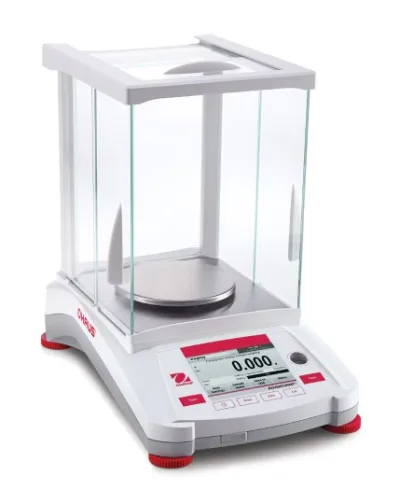
The various model ranges cover different functional scopes. The Adventurer series is known for its balance between functionality and ease of use, while Pioneer models provide essential weighing functions for laboratory and industry. For basic applications, PR Series devices offer reliable performance with simple handling. The selection includes both models with an internal adjustment system and variants for external calibration.
Here you will find answers to technical and application-related questions regarding our range of precision balances.
They are used for the accurate determination of mass during sample preparation, formulation, and quality control in research and production.
This depends on the required accuracy. For very fine substances, models with 0.001 g readability are used, while for larger quantities, 0.01 g or 0.1 g is often sufficient.
AutoCal adjusts the balance fully automatically in response to environmental changes, while InCal requires semi-automatic adjustment by the user at the touch of a button.
Precision balances usually cover a higher weighing range up to 35 kg, but have a lower readability than analytical balances, which often measure accurately to 0.1 mg.
Depending on the model, a draft shield for fine readabilities and suitable interfaces for documenting weighing data are useful.
For any model, such as the PX3202 or AX4201, you can request an exclusive quote for your company or institute via the button in the shop.
The balance should be placed on a stable, vibration-free table and accurately leveled using the integrated spirit level before use.